Categories
Asia Food and agriculture Higher education and research Knowledge mobilization

2026!

All things considered, 2025 was a good year for me. I continue to be grateful to be able to put nutritious food on the table and a warm, comfortable roof over my head. Others are suffering unnecessarily around the world, including in wealthy Canada. Je suis aussi reconnaissante pour ma bonne santé et l’éducation que j’ai reçu principalement grâce aux investissements publics qui ont bénéficié ma génération. Fulfilling such basic needs can and should be a birthright to every person on this planet. That’s the credo and mission that keeps me going in my life and career. Je ferai ce que je peux pour avancer la cause…

I was honoured the opportunity to contribute to work of the Wilson Center until a Presidential order put an abrupt end to 95% of the staff and all Global Fellows in the spring. J’espère qu’un jour, le beau travail de cet organisme reprendra en bonne et due forme. I continue to enjoy my board service with the Council of Canadian Academies and Educational Credential Evaluators as well as my work on the International Advisory Council of the Centre for Open Societal Systems, and steering committee of the Women in Science Diplomacy Association of Canada. Au plaisir de continuer ce travail en 2026.

A bonus this year was being invited to the X Summit of the Americas Civil Society consultation in July. I was honoured to be asked to serve as spokesperson for the report back to Global Affairs Canada. Je tiens à remercier Cynthia Gervais de ‘École d’éducation permanente de l’Université McGill d’avoir suggérer ma candidature pour ce rôle. Avec son équipe, elle a aussi monté cette vidéo d’un entretien avec moi à propos des concertations.

I’m blessed to have returned to McGill University where I did my Master’s degree and my late parents met! Je suis heureuse dans mon poste de professeure invitée JW McConnell. The Max Bell School of Public Policy is a stimulating place where I have the opportunity to do research, publish, coach a policy lab on water security and teach a course on food-systems transformation in global perspective and interact with brilliant students from around the world, including my two research assistants Julian Tayarah and Umme Salma. J’ai pu partager ma perspective avec les médias après une pause de quelques années.

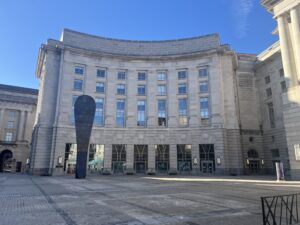
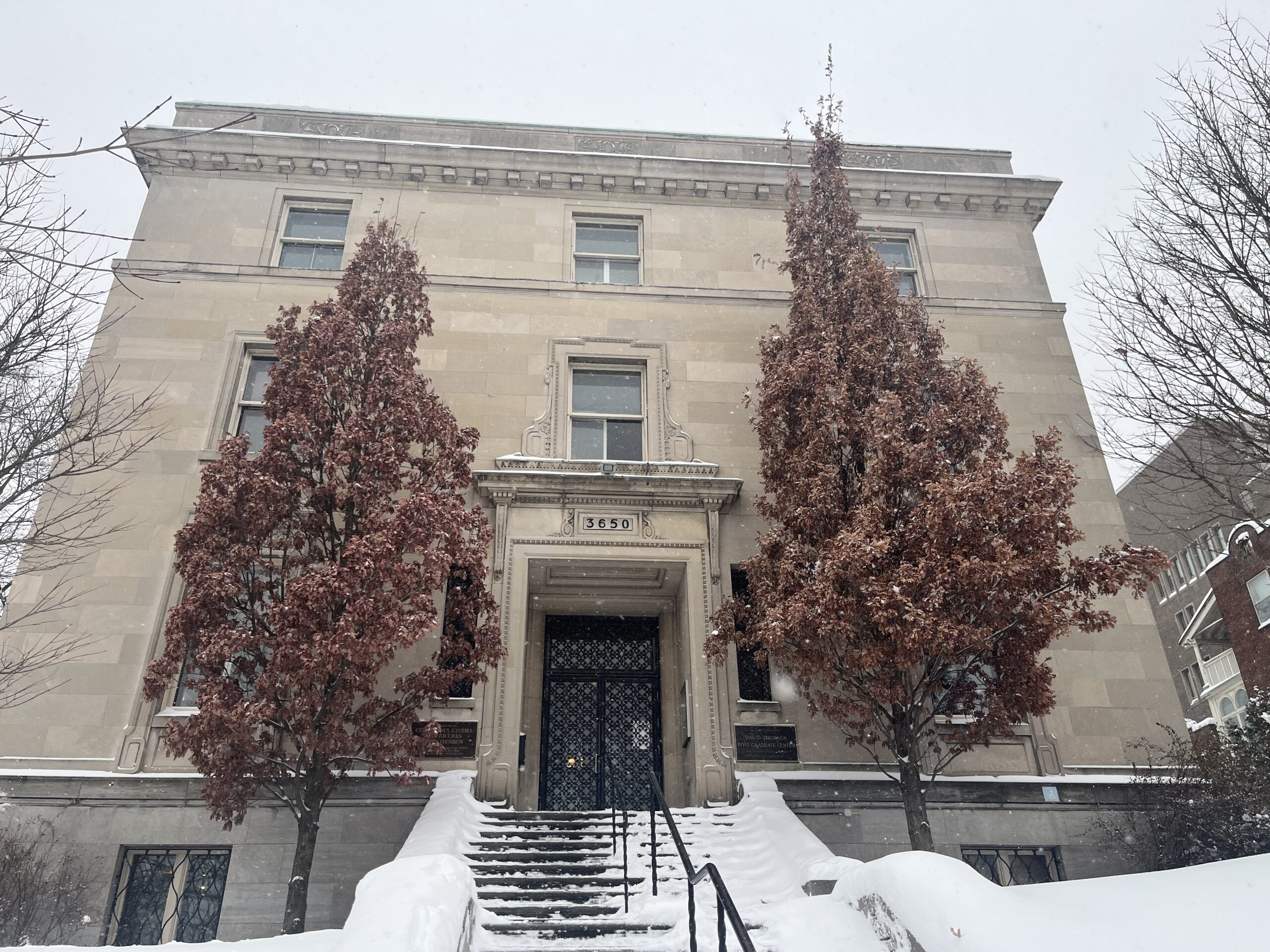
J’ai hâte pour les belles choses qui m’attendent en 2026. More publishing, public speaking and media commentary is around the corner as well as planned professional travel for conference presentations and research, including a longer stretch in Asia – the region where I focused half my career. Détails à suivre… Entre temps, je vous souhaites mes meilleurs voeux pour 2026. Below, a photo of Thompson House, the graduate student club at McGill, where we had the Max Bell holiday party in December. Being there again brought back a flood of memories.

Categories
Asia Food and agriculture Higher education and research Uncategorized

Excited for September – J’ai hâte pour septembre

The last eight months have been a flurry of activity and great memories. Early in 2025, I was delighted to be been elected to the board of directors of Educational Credential Evaluators (ECE) for a three year term. ECE reviews academic achievements by individuals from other countries and converts them to the U.S. or Canadian system. Given significant changes around immigration – including international students and professionals – this is an interesting time to join this board.

In January I was thrilled to visit the Wilson Center in Washington DC where I was appointed Global Fellow in November, 2024 for a two-year term. Unfortunately, the Center was “DOGEd” in spring 2025 resulting in 95% of its staff as well as all Global Fellows being terminated. This is a loss for the global public policy community. Ce fut une plateforme pour publier des articles dans des domaines importants dont la sécurité alimentaire. Et heureusement, j’ai un nouveau poste pour le 1er septembre.

Après un beau voyage en Colombie-Britannique pour au mois d’avril ou j’ai pu assister à la Retraite nationale des femmes à Victoria et prendre des rendez-vous avec plein de monde que je n’avais pas vu depuis très longtemps, j’ai fait un super voyage dans le sud de l’Inde au mois de mai. I was there to attend an in-person meeting of International Advisory Council of the Centre for Open Societal Systems in Bengaluru and also reconnected with many friends and colleagues in Tamil Nadu and Kerala.

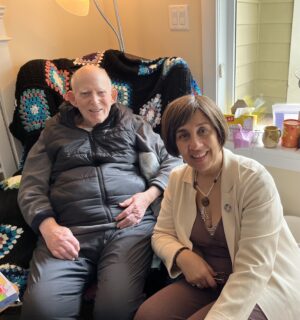
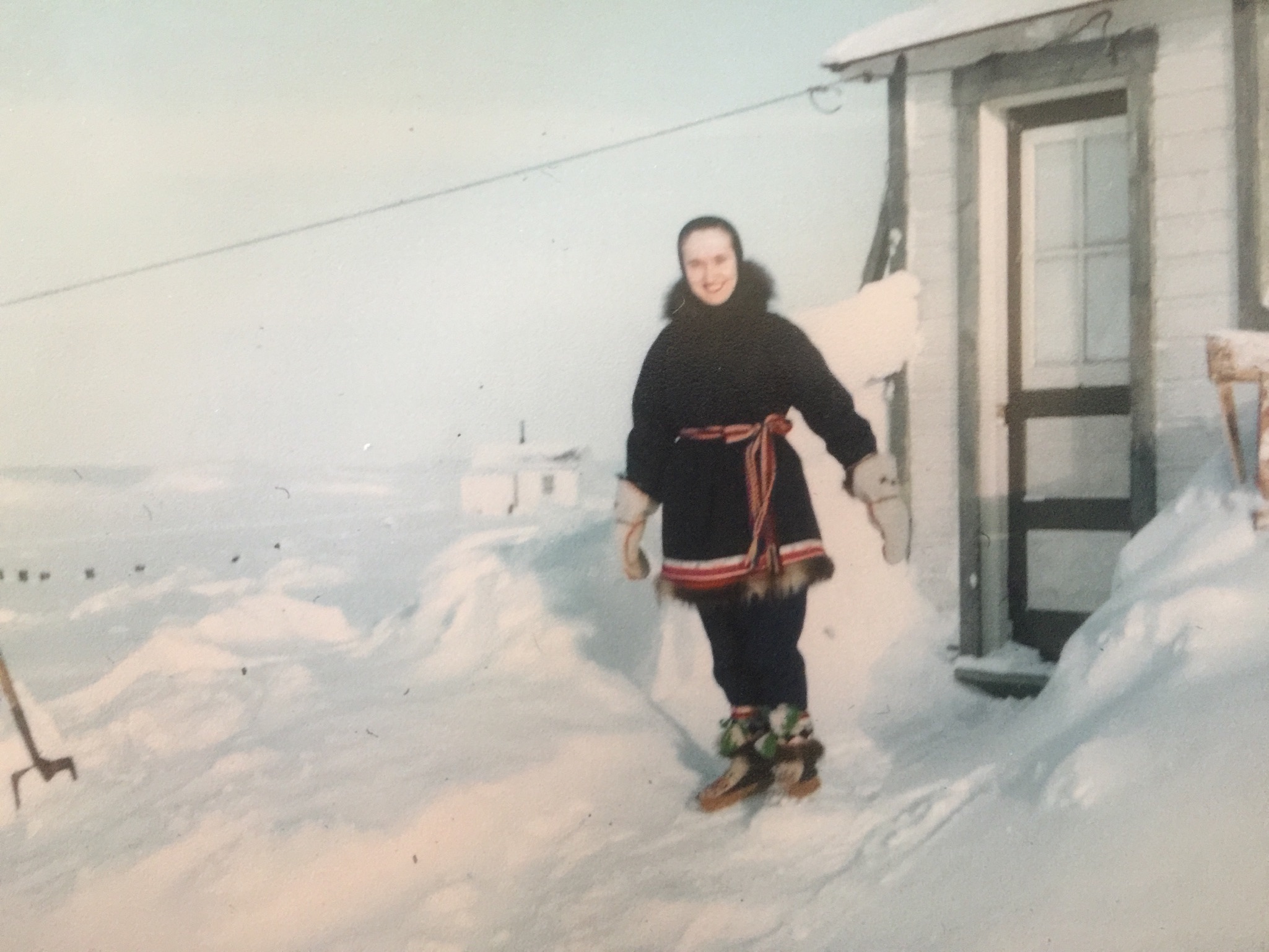
June and July also involved travel for ECE and my board service with the Council of Canadian Academies, presenting at a scholarly conference in Niagara Falls, a family reunion in Edmonton and side visit to Calgary. J’étais triste d’apprendre la nouvelle à la fin du mois de juin du décès de mon superviseur de thèse de doctorat, Terry McGee. I was happy to see him one last time in April of this year (photo below). Terimah Kasih my dear supervisor and thanks for the memories over 35 years!

Categories
Asia Higher education and research Uncategorized

End of a big year – La fin d’une grosse année

Since my last post, we were deeply saddened to learn of the loss of yet another friend – Dr. Karen Bakker – in Vancouver. She is gone far too soon and dearly missed. Karen was at the top of her game and leaves to mourn her family and many of us who had the privilege of getting to know her and were inspired by her brilliance and generous spirit. Que son âme repose en paix.

On a more positive note, my invited book chapter in a collection edited by Olaf Kühne, and his colleagues at University of Tübingen was published by Springer. I have Jayeeta (Jo) Sharma to thank for having flagged the previous, 2022, volume in this series to me last summer where I’m cited as the first to publish on concept of foodscapes. Merci également à Simon Vonthron qui a publié dans Plos One une étude de la portée sur l’utilisation de ce terme en 2020. Cette revue résumait astucieusement la littérature sur plus de 25 ans.

I also took on additional responsibilities at work in September, had the privilege of travelling to Vietnam in October on a mission organized by the Canadian Bureau of International Education (CBIE). This was my second time in Vietnam but my first time to the north (Hanoi) and first trip back to Asia since the pandemic. Here’s a recap of the trip by CBIE in English and French.

Les conflits un peu partout au monde, surtout au moyen-orient, sont boulversants, et posent des défis pour les universités qui doivent naviguer des dossiers sensibles. Cependant, ces tragédies nous rappellent nos privilèges. Je suis reconnaissante pour ma bonne santé, ma famille, mon éducation, mon emploi et mes conforts. En espérant que 2024 apportera de la paix, de la justice et une meilleure qualité de vie pour toutes et tous.

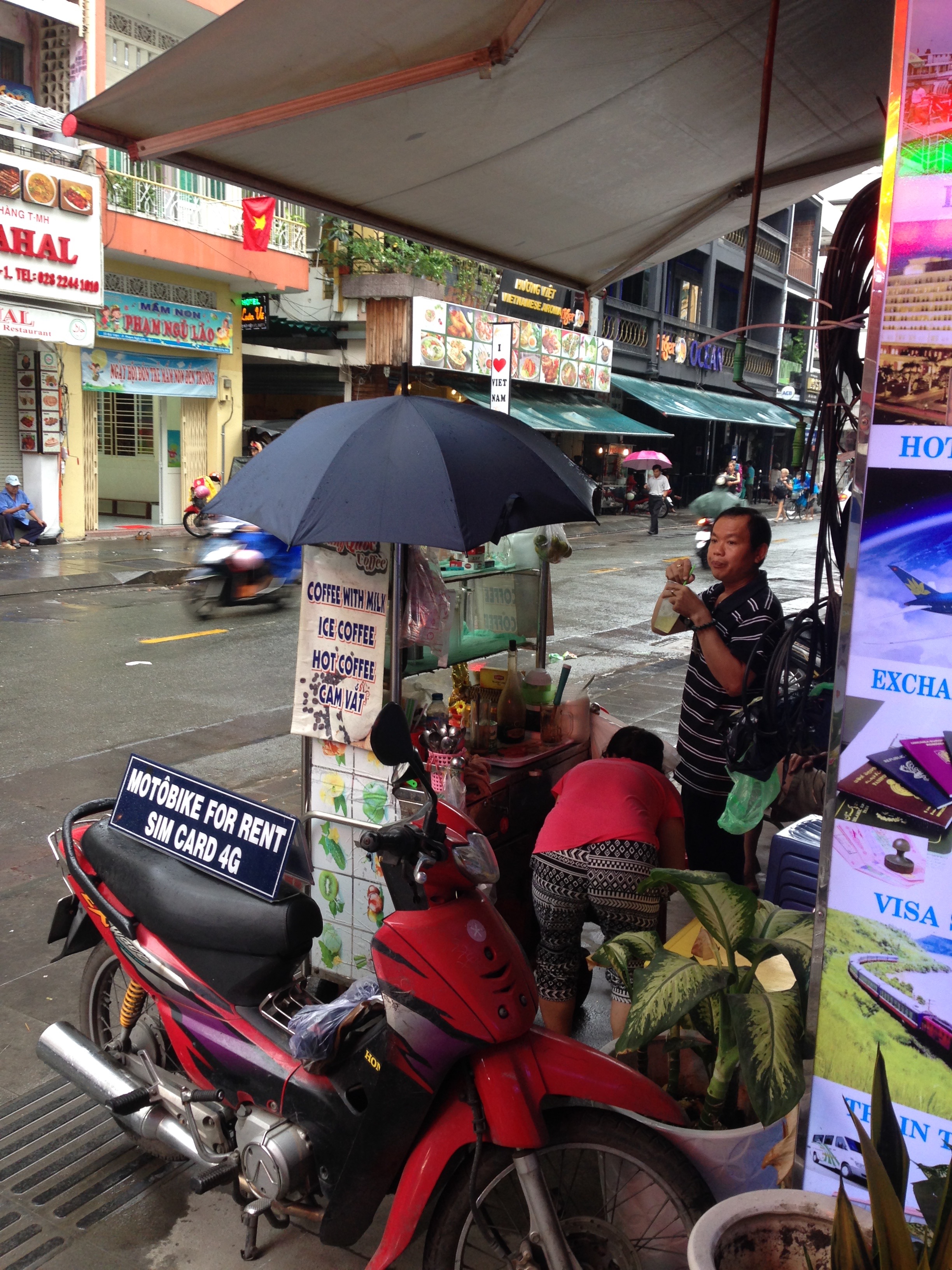
Drinking Vietnamese Iced Coffee in Hanoi (Photo credit: Cheryl Dumaresq)

Categories
Asia Higher education and research Program design & delivery Uncategorized

Full Circle – Un Cercle Complet

Happy Year of the Rabbit! Heureuse année du lapin!

On February 2nd (Ground Hog Day), I started my new job as Associate Vice-President, International at the University of Ottawa. Here is the announcement. I have therefore gone full circle having started my adult life as an undergraduate at this wonderful institution many decades ago when I was recruited into the House of Commons Page Programme. Many of us are still in touch from that time.

As they say the “third time’s the charm”. L’Université d’Ottawa m’avait offert deux postes il y a environ vingt ans que je ne pouvais pas accepter pour toutes sortes de raisons – un poste de professeur(e) menant à la permanence et même une chaire! So this was clearly meant to be. I’ve been very warmly welcomed and already feel like I belong, which has been unusual in most of my work environments.

J’ai le privilège de faire partie d’une des équipes les plus diversifiées du campus. Normalement, je me trouves comme une des rares personnes “racisées”, parfois même la seule. C’est clair qu’on a du “bon monde” brillant et compétent qui parlent plusieurs langues. Je suis ravie! It was great to meet most of my colleagues on my first day. There was even a little reception and round table.

Je me décris comme une « citoyenne du monde avec un passeport canadien » et, en partie à cause de mes origines personnelles, j’ai toujours été passionnée par l’importance du «global citizenship» comme on dit en anglais. L’Université d’Ottawa m’a profondément marqué en tant que francophone élevé dans le ouest et le nord canadien mais aussi comme quelqu’un avec des origines asiatiques. J’ai eu quelques expériences clés durant mon premier cycle qui m’ont marqué pour la vie, comme, par exemple, un séminaire en Thaïlande avec Entraide Universitaire Mondiale du Canada à la fin de ma première année et, quelques années plus tard, un stage in Inde avec l’Institut Indo-Canadien Shastri.

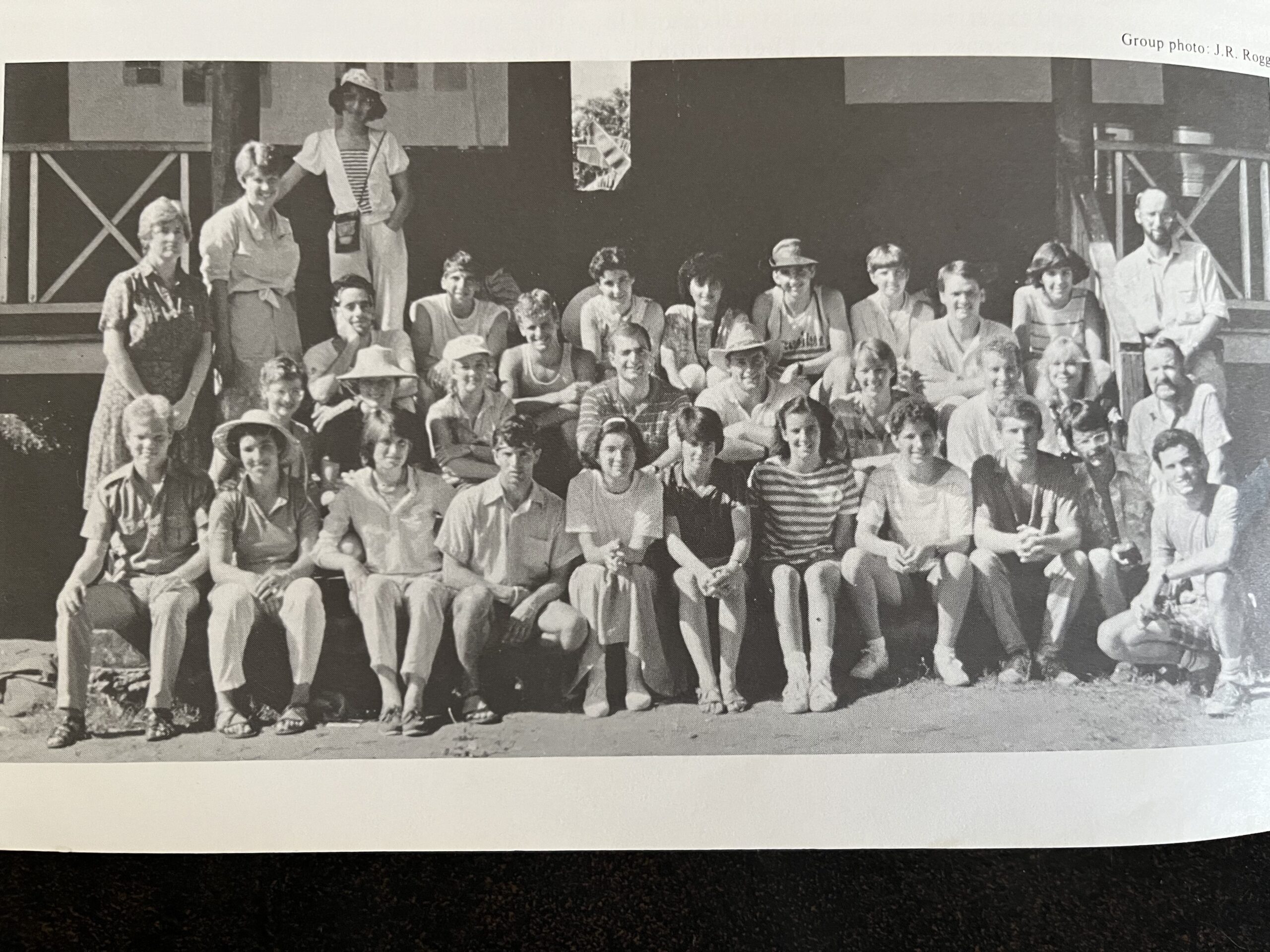
Here’s a picture from the WUSC Seminar. You’ll have to guess the year. See if you can spot me…

Categories
Asia Food and agriculture Higher education and research Knowledge mobilization Uncategorized

Un été intense – An intense summer

Quatre jours après que j’ai affiché mon dernier message sur ce site – soit le 20 juin – j’ai subitement perdu ma mère. Même si elle avait 91 ans, et elle nous disait qu’elle sentait la mort venir, ce fut un choc. Cependant, elle voulait mourir, comme elle nous disait souvent. Heureusement la fin était passablement vite et sans douleur d’après le personnel de l’Hôpital Montfort, qui ont offert des soins extraordinaires dans ses derniers jours. Voici l’avis de décès en français et en anglais. Thanks also to the Funeral Cooperative of Ottawa and the family and friends that provided support to me and my family at this difficult time, including helping organize a wonderful celebration of mum’s extraordinary life in July.

Needless to say, much of the summer was spent doing what I needed to do, with the work still going on as my late mother’s executor and heir. Thank goodness we moved back to Ottawa from British Columbia a bit more than a year ago so that we got to spend more time with her and to facilitate my ability to close affairs. Of course, mum’s arrangements for her passing were in perfect order, which facilitates things.

On the professional front, it’s been satisfying to see a 2020 scoping review as well as a more recent 2022 tome published originally in German and now translated into English drawing on the foodscape concept I put forward in the 1990s. I never expected this work to evolve and take so many interesting developments around the world. It’s been an honour to be invited by the German scholars to collaborate and contribute to one of their upcoming volumes.

I’ve also continued to do extensive media commentary on the food crisis, both in Canada and globally. This included an interview with the CBC’s Carolyn Dunn in early August on the implications of grain shipments from the Ukraine on global food security, two interviews on A Little More Conversation, one in August and another in September, and a piece in Maclean’s on the rising cost of living. It was also a thrill to see one of my more scholarly publications come out as a chapter in the Routledge Handbook of Urban Food Governance. Looking forward to some launch events this fall.

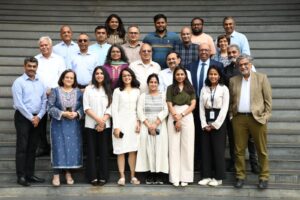
Finalement, ce fut un plaisir de participer au 21e Forum de Banff, cette fois à Charlottetown. Je participate de temps à autre à ce forum concernant les politiques publiques depuis son tout début. Voici la photo de groupe prise au bord de l’eau avec la coopération de la météo! At this year’s Forum, it was great to be invited to speak as part of a “Dockside Chat” panel on the topic of “Has Deglobalization Arrived” sharing reflections on global food insecurity.

Categories
Asia Food and agriculture Uncategorized

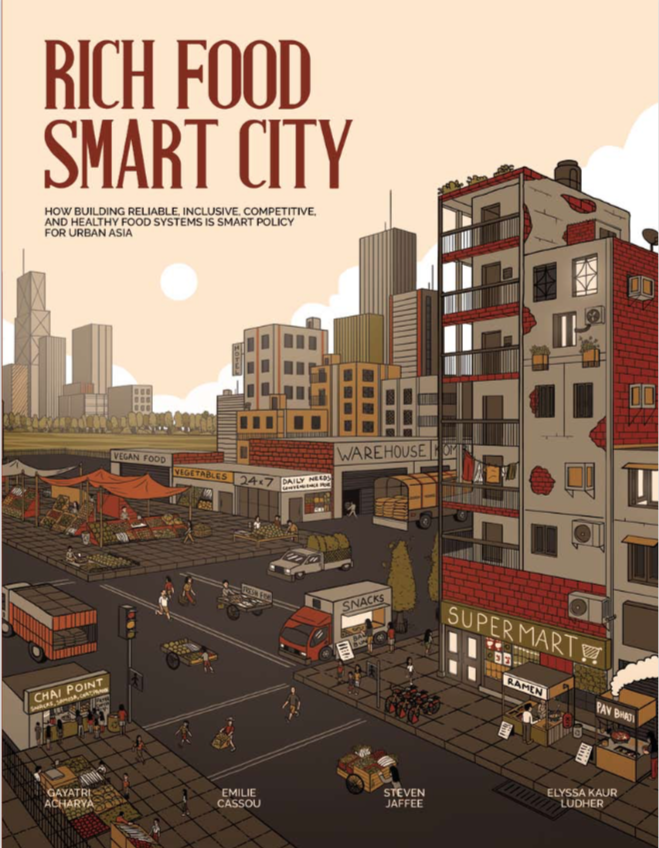
World Bank-FAO Report on Asian Urban Food Systems Published

Before taking on my current assignment a few years ago, I was asked to contribute background papers to provide research, advisory and analytical services for the Food Safe and Nutrition Secure Urban Asia project of the World Bank’s Advisory Services and Analytics (ASA) in collaboration with the United Nations Food and Agriculture Organization (FAO). The report was launched in March 2021 and below is the executive summary and hyperlink. I’m honoured to have been listed as a contributor and hope this work will have positive policy influence.

Across Asia, cities are contending with a wide range of food-related issues but most lack a dedicated or coherent set of food policies. For most cities in Asia, food has been a policy and governance blind spot, while national food policy has distinctly lacked an urban perspective. Arguing that food system outcomes are central to the topmost priorities of Asian cities, RICH Food, Smart City calls for cities of all sizes to “get smart to get RICH”—that is, to pursue food policies that foster reliable, inclusive, competitive, and healthy (“RICH”) food systems, better aligned with cities’ contemporary challenges and aspirations. Based on the first systematic survey of urban food policies in 170 Asian cities in 21 countries, RICH Food, Smart City finds that only 8 percent of surveyed cities are “food-smart” and intervene in the food system in ways that are forward-looking, holistic, and inclusive. Nearly three-fourths are either at an early stage of effective engagement or fully in reactive mode, responding to problems as they emerge. Even before the COVID-19 crisis, the need for coherent multisectoral strategies and coordinated action was becoming apparent. The pandemic has now drawn attention to the essential functions of urban food supply chains and businesses and further exposed the vulnerability of urban populations to food insecurity, zoonosis, and foodborne disease. But the crisis has also shown us the potential of the food economy, through its displays of resilience coming from informal marketing channels and budding e-commerce networks and capacities. Rich Food, Smart City illustrates how Asian cities and urban leaders can take on vital food system issues, including food security, diet quality, environmental sustainability, and climate neutrality; and how building RICH food systems can help cities pursue their goals. The book will be of interest to urban planners, policy makers and leaders at the city and national levels, as well as to food system and development practitioners, and others interested in urban food policy and governance.
Citation
“Acharya, Gayatri; Cassou, Emilie; Jaffee, Steven; Ludher, Elyssa Kaur. 2021. RICH Food, Smart City : How Building Reliable, Inclusive, Competitive, and Healthy Food Systems is Smart Policy for Urban Asia. World Bank, Washington, DC. © World Bank. https://openknowledge.worldbank.org/handle/10986/35137 License: CC BY 3.0 IGO.”
URL
http://hdl.handle.net/10986/35137

Categories
Asia Higher education and research

The Importance of the Asia-Africa Relationship

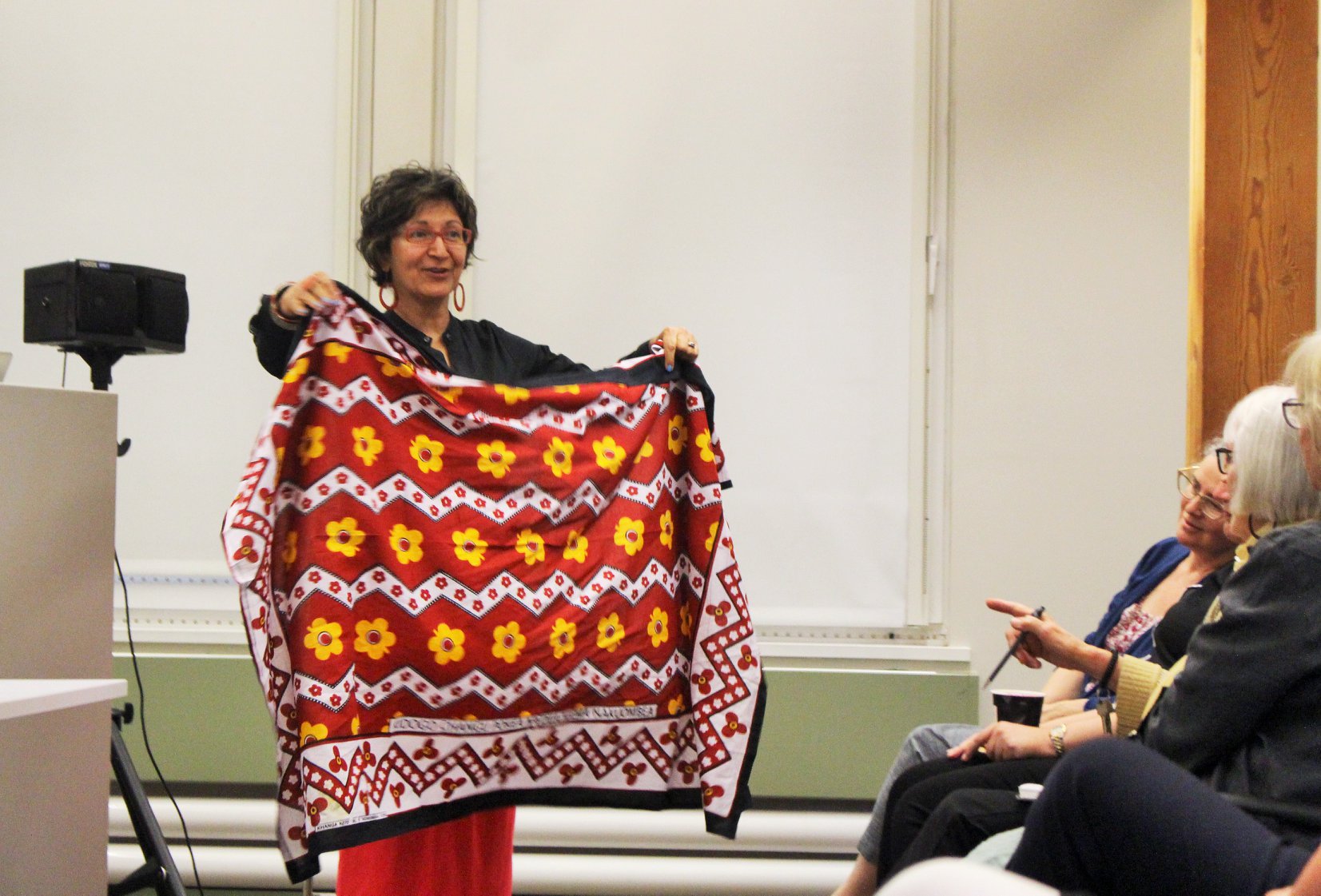
The relationship between Asia and Africa is a longstanding one, historically, and has been growing exponentially in recent years though increased investment and trade. Chinese porcelaine from the 9th century has been found in the archaeological site of Great Zimbabwe and the cotton trade from India to Africa dates back to the time of Herodotus in the 5th century BCE. I had the pleasure of organizing a presentation at UBC on May 29th by Dr. Renu Modi of the University of Mumbai on the manufacturing of textiles – mainly kanga and vitenge (the plural of kitenge) in India for the growing African market. China is also highly involved in the manufacturing of this cloth used primarily for the garment industry. Dr. Modi presented her documentary film, Common Threads, which was featured recently in the Zanzibar International Film Festival. Approximately 40 people were in attendance. Thank you Renu!


Categories
Asia Food and agriculture

Micro, Small, and Medium Enterprises in Agri-Food

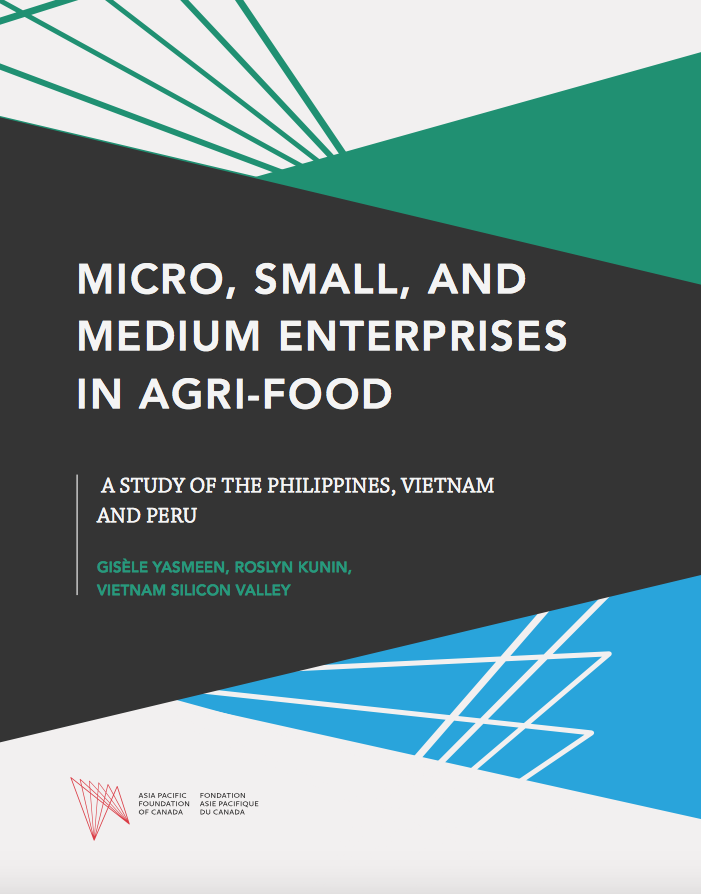
It was a privilege to lead a research project over the past nine months for the Asia Pacific Foundation of Canada on the topic of micro, small and medium enterprises in the agri-food sector in the Philippines, Vietnam and Peru as part of the Global Affairs Canada funded APEC-Canada Growing Business Partnership. The report was published on March 23rd, 2018 and is available open-access for downloading at: https://apfcanada-msme.ca/research/micro-small-and-medium-enterprises-agri-food-study-philippines-vietnam-and-peru. My thanks to the Foundation as well as co-authors from Vietnam Silicon Valley and Dr. Roslyn Kunin as well as the support of research assistants Nathaniel Candelaria and Deyvi Danny Machacuay Saez and numerous key informants and interviewees without whom this research report would not have been possible.

Categories
Asia Food and agriculture Knowledge mobilization

Chronique radio – Micro, Petites et Moyennes Entreprises Agroalimentaires

Dernièrement, ce fut un plaisir de reprendre mon travail comme chroniqueuse à Radio-Canada. J’avais une chronique en français à « Rendez-vous » de Radio-Canada, Vancouver de 2000 à 03 sur le thème des communautés asiatiques en Colombie-Britannique qui a été repris par la suite pendant quelques années en anglais avec l’émission « BC Almanac ». J’ai récemment été offerte une autre chronique à l’émission intitulée « Les samedis du monde », diffusée dans toutes les provinces le l’Ouest canadien. La première chronique – inspirée par notre projet récent pour la Fondation Asie Pacifique du Canada – porte sur les micro, petites et moyennes entreprises agroalimentaires aux Philippines, au Vietnam et au Pérou avec des liens aux communautés originaires de ces pays dans le Ouest canadien. La chronique a été diffusée le 9 décembre 2017. Voici le lien à la bande sonore: http://ici.radio-canada.ca/premiere/emissions/les-samedis-du-monde/segments/chronique/50649/micro-entreprise-agroalimentaire-transformation-pays-emergents

Categories
Asia Food and agriculture

Agri-Food MSMEs & Global Sustainable Development

Micro, small and medium enterprises, or MSMEs, are backbones of the economy in both wealthy and low and middle income countries (LMICs). The agri-food sector in particular is of fundamental importance in terms of livelihoods, food-security and meeting growing domestic and international demand for food, including value-added comestibles. If one includes informal enterprises and activities, the size and importance of the agri-food MSME sector takes on even more importance in both North and South.

Last week, I had the privilege of speaking at attending a workshop organized by the Asia Pacific Foundation of Canada (APFC) and the Vietnam Chamber of Commerce and Industry in Ho Chi Minh City organized on the eve of the Asia Pacific Economic Cooperation (APEC) Ministerial Meeting taking place there. In case you missed it, the event was live streamed and recorded on the APFC’s Facebook page, and the session I participated in on September 11th is available here. Vilupti Christina Lok Barrineau, newly minted Vice-President of Operations of APFC, and I also published an op-ed in the Hill Times the next day on the role of agri-food MSMEs available here. The op-ed was also picked up in Vietnam and translated into Vietnamese.

My thanks to Vilupti and the team at APFC for this opportunity. Over the past few years, it has been a privilege to reconnect with the Foundation, with which I was very involved in the 1990s as their first intern in 1995/96 and subsequently as a consultant producing educational materials on the Asia Pacific as well as having the honour of being involved in the exciting Asia Connects Youth Conference that was part of Canada’s Year of Asia Pacific in 1997. Our research report on agri-food MSMEs in the Philippines, Vietnam and Peru is being produced in collaboration with Dr. Roslyn Kunin and Vietnam Silicon Valley, with the assistance of Nathaniel Candelaria and Deyvi Danny Machacuay Saez and will be available this fall.