Categories
Asia

New book chapter on women’s livelihoods in South and Southeast Asia

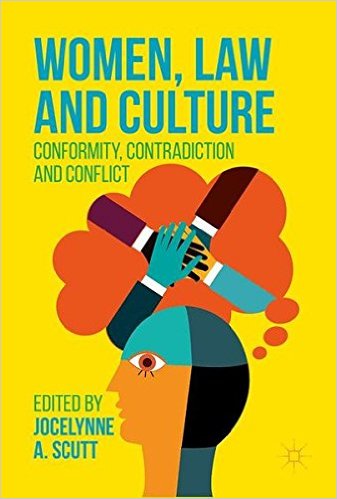
I’m pleased to announce that my chapter comparing women’s access to public space for their livelihoods in Thailand, the Philippines and India in a collection entitled Women, Law and Culture: Conformity, Contradiction and Conflict is available for ordering in advance of the March 2017 publication date by Palgrave-MacMillan. Thanks to our editor, the amazing The Honourable Dr Jocelynne A. Scutt, for inviting me to contribute! The book can be ordered by going to this link: https://www.palgrave.com/us/book/9783319449371

Categories
Social Protection Uncategorized

Q and A regarding Social Protection on the WIEGO Blog in English and Spanish

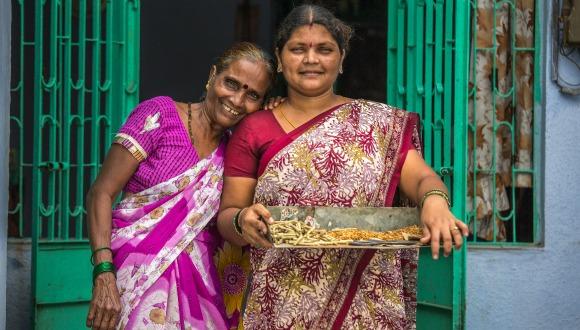
Thanks to Carlin Carr of WIEGO for offering to interview me for the WIEGO Blog. The following Q and A was published in September. The English version is available here with Spanish available here. Photo courtesy of WIEGO.

Categories
Asia Social Protection

Challenges and opportunities for social protection of informal workers

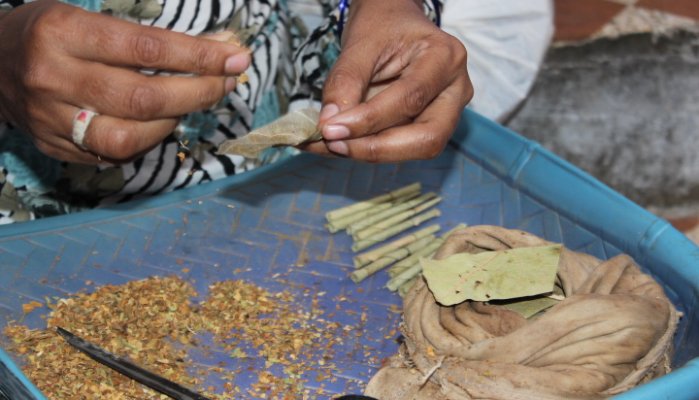
This invited blog entry was posted by the Asian Development Bank (ADB) on Monday, August 22nd as a result of my  participation as a WIEGO resource person for Asia-Pacific Social Protection Week earlier the same month. The full text is available here. Salamat Po for the warm welcome back to Manila after many years away! (Photo above of beedie rolling courtesy of Marlese von Broembsen)

Categories
Asia Social Protection

Informal Women Workers Globally: Breaking Through the ‘Concrete Canopy’

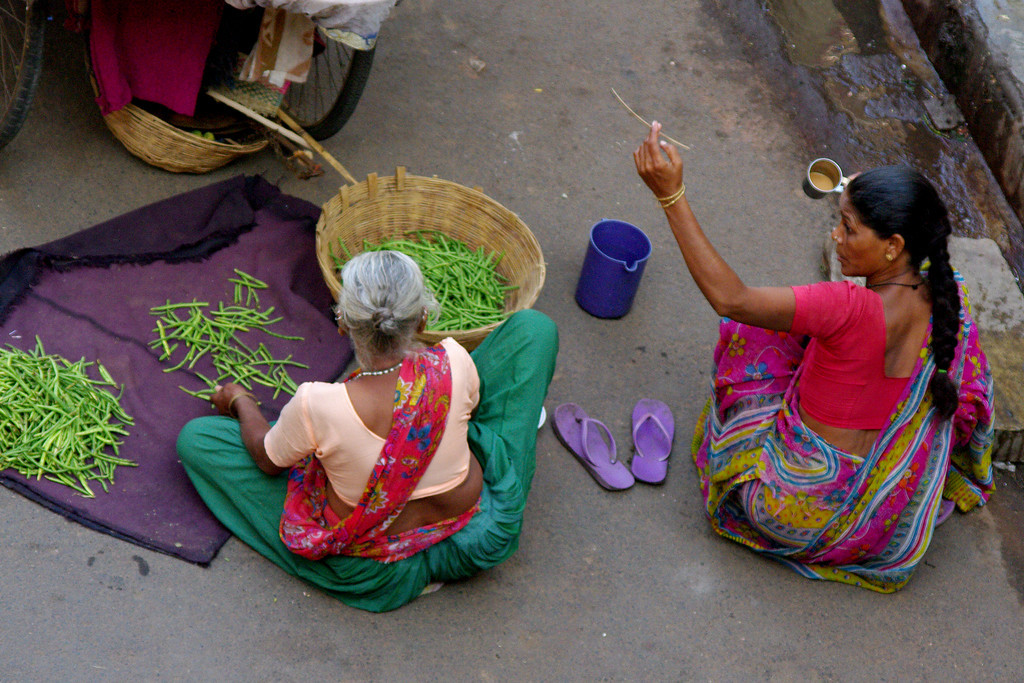
Thanks to Professor Malinda Smith of the University of Alberta for inviting me to contribute to the AlbertaPoliBlog. I’m happy the entry came out last week inspired by my recent trip to India for WIEGO. And thanks to the Honourable Jocelynne Annette Scutt for her “concrete canopy” metaphor, which I have referenced. The full text is available herePhoto courtesy of Marlese von Broembsen.

Categories
Asia Higher education and research

Report from The Netherlands and Belgium

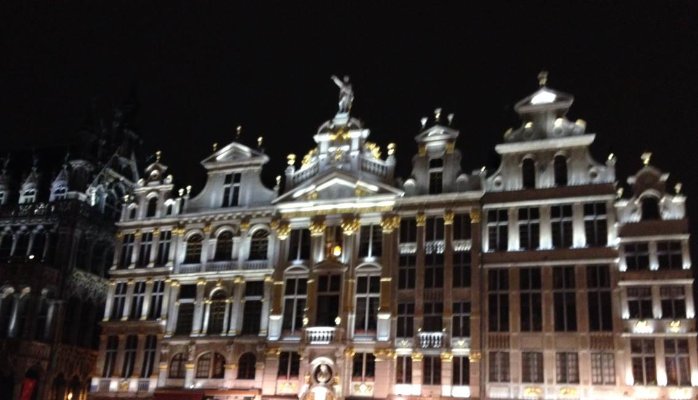
I’m delighted to have been invited to speak at the European Institute of Asian Studies in Brussels on Wednesday, January 27th. The topic of my presentation was “Women’s Access to Public Space in Asia: India, Thailand and the Philippines in Comparative Perspective” based on a recent draft book chapter based on many years of past work. Merci pour cette belle opportunité!

On Thursday, January 28th, I had the pleasure of participating in and speaking at the final event for the NWO (Netherlands Organisation for Scientific Research) funded CATCH Program (Continuous Access to Cultural Heritage). CATCH is an interdisciplinary research program involving computer science, humanities scholars and cultural institutions. It has been a privilege to serve on the International Scientific Advisory Board for this program over the past four years. We also took the opportunity to celebrate the career contributions of Professor Jaap van den Herik, a pioneer in computer science and digital humanities. Hartelijk bedankt!

Categories
Asia Higher education and research Knowledge mobilization

LINGUA FRANCA?: FRANCOPHONE SCHOLARSHIP ON THE ASIA-PACIFIC

This post is inspired by my participation in the 2015 Congrès Asie-Pacifique, held in Paris this past September. Here is an excerpt with the full text available here:

While English is often thought of as the international academic lingua franca, there is significant scholarship on Asia in other languages, including French. French-language scholarship on the Asia-Pacific should be valued, particularly in Canada – a bilingual country home to a number of French-speaking Asianists who publish important works in their mother-tongue. Read more…

Categories
Asia Food and agriculture Knowledge mobilization

Commonwealth People’s Forum, Nov 23-26, 2015

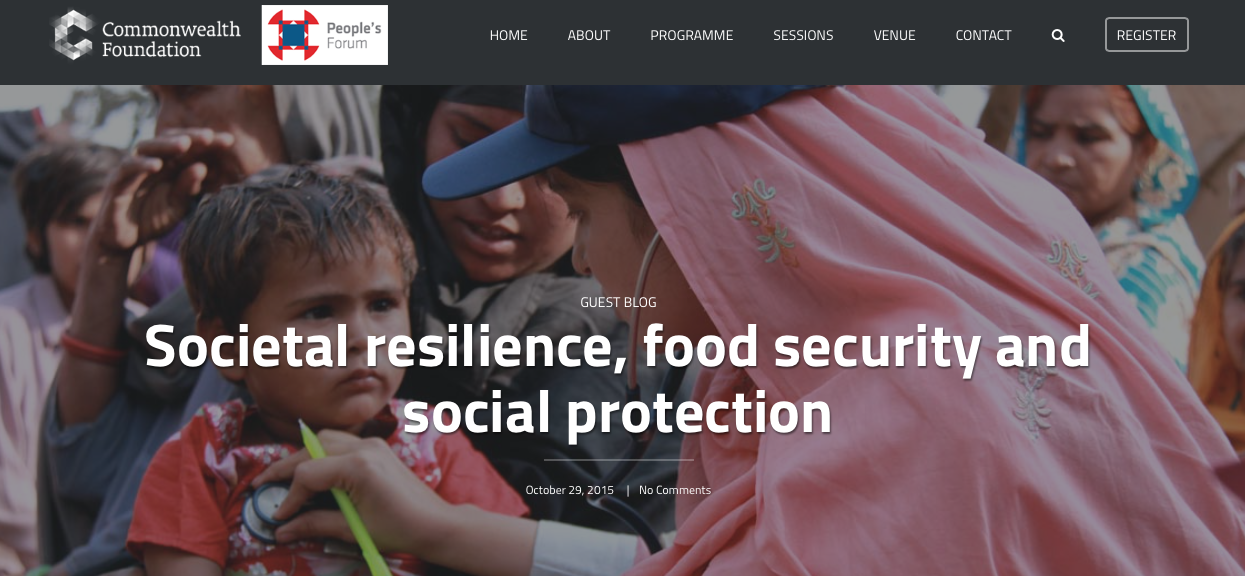
I’m delighted to have been invited to speak at the Commonwealth People’s Forum in Malta taking place from November 23-26. This civil society gathering – organized by the Commonwealth Foundation – is a precursor to the Commonwealth Heads of Government Meeting (CHOGM) taking place from November 27-29th. I will be chairing an exciting panel on food challenges as well as speaking at a plenary session on the theme of: Equity and Resilience: Access to critical resources and services for all. I look forward to meeting and interacting with approximately 300 delegates from across the Commonwealth’s 53 member states.

As I was invited to contribute a blog entry in advance of the forum, here is the link below to my remarks:

http://cpf.commonwealthfoundation.com/societal-resilience-food-security-and-social-protection/

I welcome your comments!

Categories
Higher education and research

Innovative and Engaging Communications in and Beyond the Academy

Photo above courtesy of GlobalHigherEd.

Kris Olds, editor of GlobalHigherEd, kindly published this guest-blog on October 4th, 2015. It was also simultaneously published by Inside Higher Ed in GlobalHigherEd’s section. The full text is available here. Below is the opening paragraph.

Research and scholarship is primarily about asking and answering questions as well as conserving and constantly reinterpreting fragile and easily forgotten knowledge. When I started graduate studies more than 25 years ago, there was no talk of the world wide web, no blogs, no Twitterverse, Facebook, Academia.edu and so on. I grew up in an era of card catalogues, photocopying, typewriters and hand-written letters with supervisors and collaborators. My first experience with computers was with a mainframe “Amdahl” where you had to learn complex codes to do simple word-processing! I am convinced that the dramatic communications revolution we are experiencing is and will continue to transform research, teaching and academe beyond anything we are familiar with now in the next twenty years. So, how might we succinctly envision these changes and start to prepare for the scholarly world of the possible future? Or as I was asked recently by a university Vice-President of Research, “what are the implications of digital media for post-secondary institutions?”


Categories
Uncategorized

Life in a fish bowl: Living in Richmond, BC…

Photo above by Gerry Kahrmann, Vancouver Sun.

The letter below was published on June 20th in the Vancouver Sun in response to a column by Douglas Todd on Richmond, BC. The full text is reproduced below and can be found at the link here.

Re: Global centre of a demographic explosion, Column, June 12

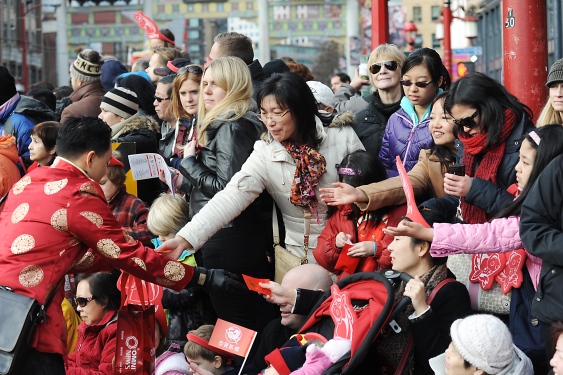
Douglas Todd’s article on Richmond made me feel like my community was being analyzed by a foreign anthropologist! As a resident who remembers the sleepy suburb of 20 years ago, the article did not capture my experience of this now vibrant, international city.

Did Todd mean to relive lamenting the end of the supposed “good old days” and stereotypes of so-called “Chinese” and “whites”? The Chinese community is incredibly diverse and what does “white” mean?

My Richmond consists of speakers of various languages, followers of various faiths and a livable community whose examples of inclusion and kindness should be followed elsewhere.

Where are the stories of “Latin Funk” dance classes with a mix of Russian speakers from Moldova, Montreal Jews, and Canadians of Chinese, European and a variety of other ancestries having fun together on a Saturday morning? Or the story of a shy hockey-dad originally from mainland China who barely speaks English but nevertheless invites the entire, multicultural kid’s hockey team to his noodle shop at the end of the season?

Please come visit and let us show you around!
Categories
Asia Futures / Foresight Uncategorized

Vancouver: A laboratory for the future?

On June 16th, 2015, I published an opinion piece in the Vancouver Courier entitled Asian heritage vital to Vancouver’s past and future, which argues that our links to the Asia-Pacific are far from new and go well beyond how we normally think about our connections with one another in the lower mainland and the lands across the Pacific. I provide examples of intermarriage between west coast First Nations and Chinese immigrants, such as Musqueam Elder Larry Grant, the legacy of the Mackay Memorial Hospital in Taipei and descendants of Canadian George Leslie and Taiwanese Minnie Mackay – an early “mixed race” union. I also touch on work recently presented in Vancouver by Frances Wood on the exchange of ideas between East and West along the Silk Road, which challenge the idea that our thought traditions are completely separate. The article concludes by suggesting that, while the trades of goods and services with the Asia-Pacific is essential for our long-term economic well-being, we should also pay attention the exchange of people and ideas. Je tiens à remercier ma chère amie, Claudia Dubuis, d’avoir proposée l’idée que la région métropolitaine de Vancouver est un “laboratoire du futur”. Bonne lecture!