Categories
Uncategorized

Life in a fish bowl: Living in Richmond, BC…

Photo above by Gerry Kahrmann, Vancouver Sun.

The letter below was published on June 20th in the Vancouver Sun in response to a column by Douglas Todd on Richmond, BC. The full text is reproduced below and can be found at the link here.

Re: Global centre of a demographic explosion, Column, June 12

Douglas Todd’s article on Richmond made me feel like my community was being analyzed by a foreign anthropologist! As a resident who remembers the sleepy suburb of 20 years ago, the article did not capture my experience of this now vibrant, international city.

Did Todd mean to relive lamenting the end of the supposed “good old days” and stereotypes of so-called “Chinese” and “whites”? The Chinese community is incredibly diverse and what does “white” mean?

My Richmond consists of speakers of various languages, followers of various faiths and a livable community whose examples of inclusion and kindness should be followed elsewhere.

Where are the stories of “Latin Funk” dance classes with a mix of Russian speakers from Moldova, Montreal Jews, and Canadians of Chinese, European and a variety of other ancestries having fun together on a Saturday morning? Or the story of a shy hockey-dad originally from mainland China who barely speaks English but nevertheless invites the entire, multicultural kid’s hockey team to his noodle shop at the end of the season?

Please come visit and let us show you around!
Categories
Asia Food and agriculture

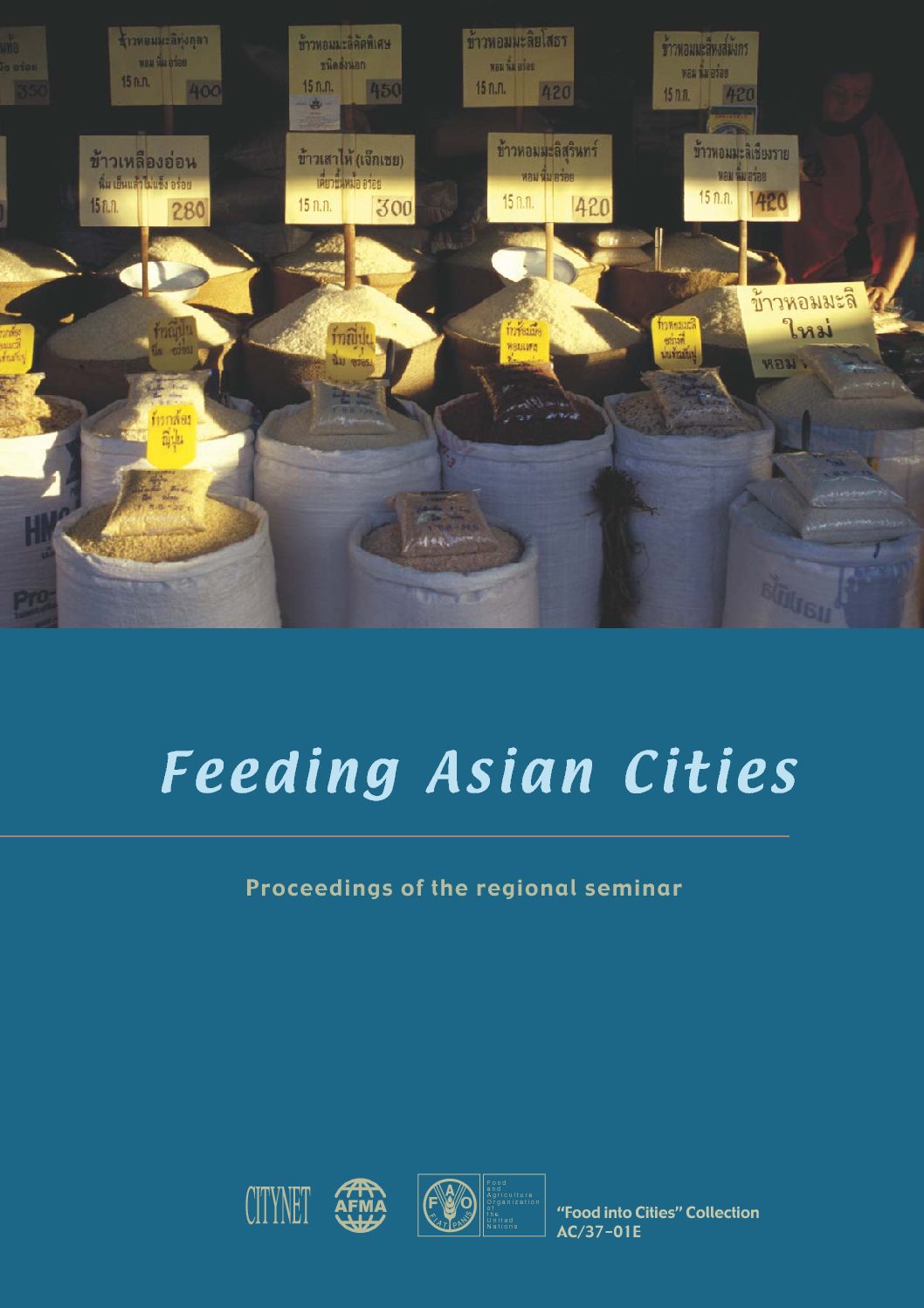
Feeding Asian Cities – Nourrir les villes d’Asie

In 2001, I was asked to edit and write the introduction to a collection of papers presented at a regional seminar in Bangkok in 2000, which I was also engaged in, on the topic of Feeding Asian Cities. The full text can in English can be downloaded here: http://www.cityfarmer.org/FeedingAsianCities.pdf.  La version française est disponible ici:  ftp://ftp.fao.org/docrep/fao/007/y3399f/y3399f00.pdf.

Categories
Asia Food and agriculture

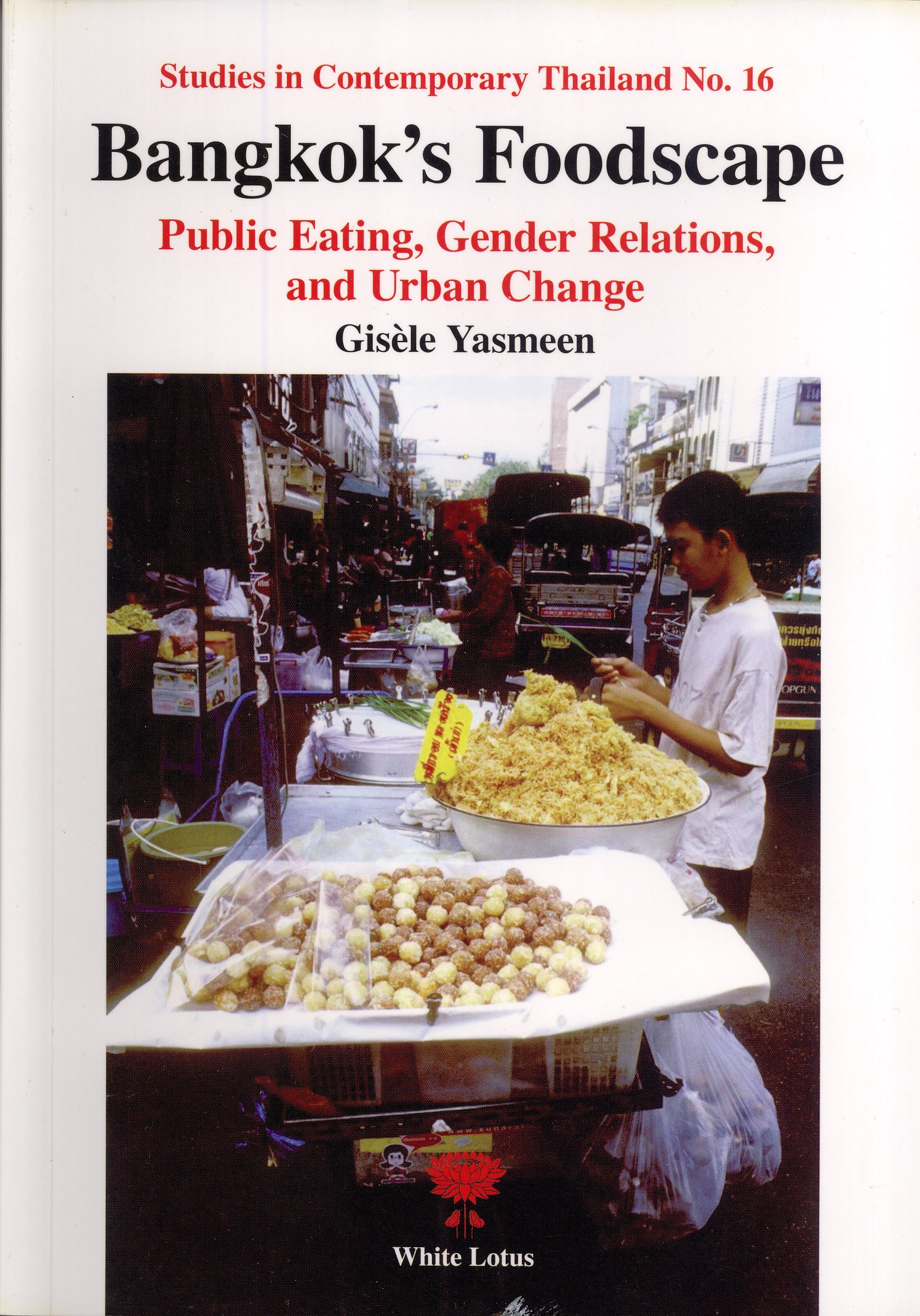
Bangkok Foodscape: Public Eating, Gender Relations, and Urban Change

This book provides an overview and analysis of the habit of “public eating” in Thai society with specific attention paid to the case study of Bangkok where the phenomenon has been particularly widespread for several decades. Using the well-established ethnographic approach of “thick description”, this contribution to the study of Thai and Southeast Asian foodways concentrates on the nexus between eating habits, the social construction of gender and patterns of urban development in one of the world’s mega-cities. By providing a detailed snapshot of the rapid growth period of the early to mid-1990s in central Bangkok and concluding with insights as to the impacts of the economic crisis that wreaked havoc in the latter part of the decade, I illustrate the recursive social, economic and cultural impacts of the “foodscape” on urban space.