Categories
Food and agriculture Higher education and research Knowledge mobilization

Printemps…

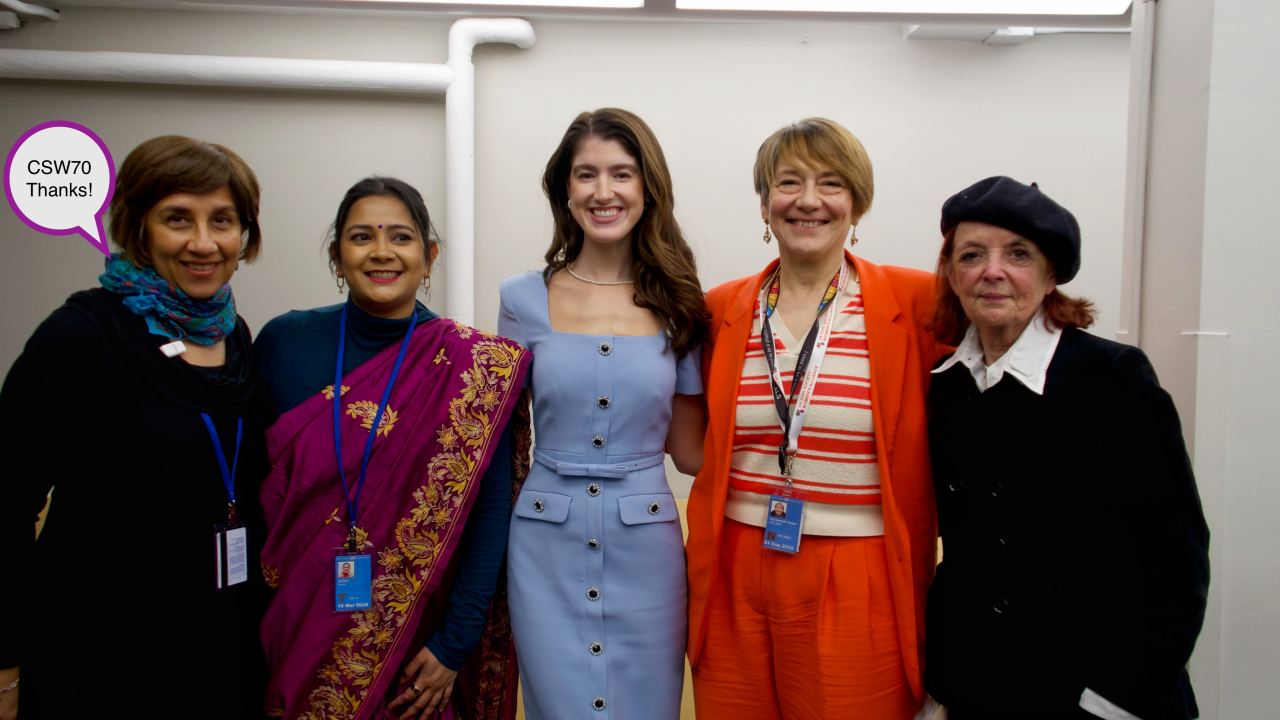
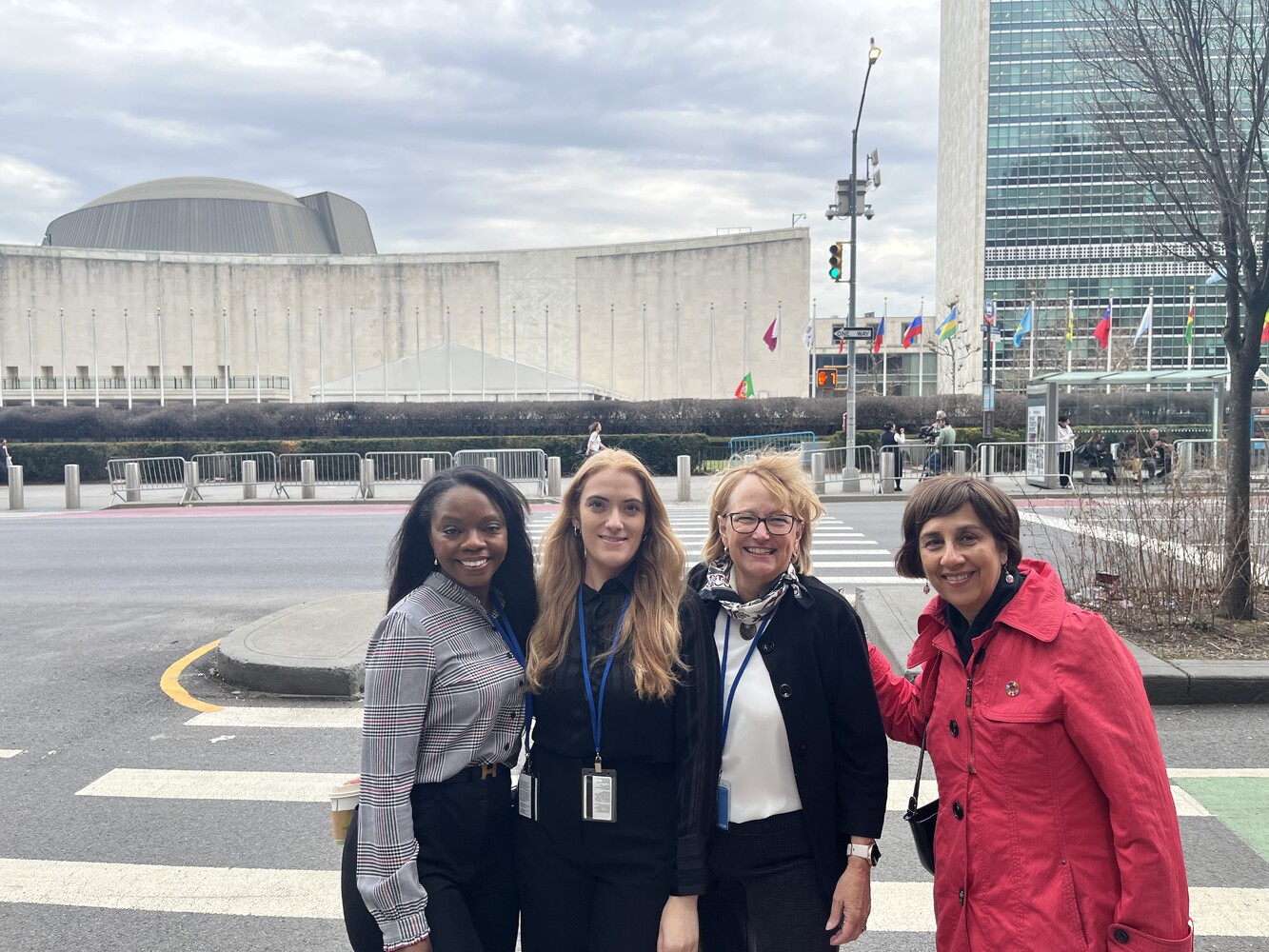
Photo credit: UK Civil Society Women's Alliance. L-R: Gisèle Yasmeen, Heena Singh Cheung, Natalie Turney, Zarin Hainsworth and Jocelynne Scutt
Photo credit: UK Civil Society Women’s Alliance. L-R: Gisèle Yasmeen, Heena Singh Cheung, Natalie Turney, Zarin Hainsworth and Jocelynne Scutt

C’est difficile à croire que nous sommes déjà au mois d’avril. 2026 has been going great so far with numerous speaking engagements and publications being released. This is thanks, in part, to my two great research assistants at McGill – both students in the Max Bell School of Public Policy Program.

On January 14th, I had the honour of presenting to the Max Bell community on my work and I repurposed the presentation for McGill alumni on January 27th. Le sujet fut “Transformation des systèmes alimentaires dans une perspective mondiale : Enjeux et opportunités” basé sur ma publication du même titre dans Max Policy le 16 octobre, 2025. Build once, use many times as they say…

I’m also delighted that I co-authored a piece with my two research assistants, which was published in The Conversation in both English and French. The content was an update of some work I did for the World Bank before the pandemic and has yielded a nice collaboration with the Bank and the United Nations Food and Agriculture Organization (FAO). Stay tuned for more updates in the coming weeks.

Despite being involved in the women’s movement for most of my adult life, I attended the Commission on the Status of Women’s 70th session (CSW70) for the first time a few weeks ago. I was a delegate of the National Council of Women of Canada (NCWC), which is an ECOSOC accredited NGO. Together with the NGO forum, the CSW is the United Nation’s largest gathering focused on women’s rights, which happens annually. I was honoured to be invited to speak as part of a panel organized by the United Kingdom Civil Society Women’s Alliance thanks to my name being suggested by the The Hon Dr Jocelynne A. Scutt with whom I’ve had the privilege of collaborating over more than 10 years.

The priority theme of this year’s CSW was “Ensuring and strengthening access to justice for all women and girls, including by promoting inclusive and equitable legal systems, eliminating discriminatory laws, policies and practices, and addressing structural barriers.” Here is the video of our panel, which was on legal literacy which, like other forms of literacy is a prerequisite for accessing justice whether it’s at home, in the workplace or with respect to property rights or other matters. Many thanks to Natalie Turney for organizing the session and to Zarin Hainsworth OBE for her expert chairing!

As I’m new to CSW, it took me a few weeks to process what I experienced and learned while attending this important gathering. An article published on Friday, March 27th by the Council on Foreign Relations has done a great job of summarizing the, tense, official proceedings. This was the first time that the “Agreed Conclusions” came to a vote with the United States voting against and attempting, unsuccessfully, to influence a variety of policy matters related to gender equity and women’s rights. They could have abstained like a handful of countries did and sometimes do. These tensions point to the fraught terrain we are dealing with when it comes to the ongoing struggle for the equality of women and girls.

The article also summarizes the proposed merger of UN Women and the United Nations Population Fund (UNFPA) – “the two principal UN agencies tasked with promoting gender equality and sexual and reproductive health and rights, respectively”. There are proponents in favour and those who have concerns about this potential restructuring. As the article explains, this would require a vote in the General Assembly and the Secretary-General will be bringing forward a recommendation either for or against in June. This is the time for those committed to the women’s movement to engage their own member-state officials to make our views known on this matter.

Quoique le Canada n’est pas membre actuellement de la Commission, il y’a une participation aux travaux de la Commission depuis sa création en 1947. Le Canada a siégé en tant que membre élu de la Commission pour le mandat 2017-2021. Avant ce mandat, la dernière période où le Canada a siégé s’était terminée en 2007. Pour la 70e session en mars 2026, la délégation officielle canadienne fut dirigée par la ministre des Femmes et de l’Égalité des genres et de la Jeunesse. D’ici la 71e session, le mouvement féministe canadien peut envisager un leadership collectif, coordonner et stratégique pour avancer nos droits.

Since my return from the UN, I had the opportunity to be a speaker on food-systems as part of a panel co-organized by three groups of McGill students. By coincidence, one of the groups involved – the McGill Youth Advisory Delegation – had also sent delegates to CSW70. Au plaisir de continuer de bâtir des liens entre les gens et organismes qui partagent la même passion.
Article content
Four members of the National Council of Women of Canada CSW70 delegation. L-R: Beverley Tjarera, Antonia Macris, Penny Rankin (President) and Gisèle Yasmeen
Categories
Uncategorized

Trash Can Dreams

The Coffee Cup Revolution: Vancouver’s Downtown East Side, Oct 16th 11am-2pm

For the uninitiated, there’s a term in Vancouver English for those who earn a living by sorting through the trash and collecting the valuable recyclables. They’re called binners and the expression was coined by Vancouver journalist Bob Sarti in the mid-1990s. I remember hearing about the binners and the establishment of the United We Can bottle and can refund depot on the Downtown East Side at the time. Ken Lyotier was the leader of this movement, which made national headlines as a social enterprise to facilitate income generation in the inner city. It reminded me of some of the small-scale urban livelihoods I had come across in my work in South and Southeast Asia. Informal recycling in particular was extensively documented by Christine Furedy – now retired in Australia after a distinguished career at York University. Professor Furedy was a pioneer in the study of “waste-pickers” and their role in urban solid waste management, particularly in Asia. One of the things she was known for was teaching her classes on garbage dumps. She was an inspiration. Ken indicated to me recently that, when he started organizing his fellow binners in the 1990s, he was unaware that there were similar groups emerging around the world including Wastewise and KKPKP in India, Linis Ganda in the Philippines and the famous cartoñeros in Argentina to name a few.

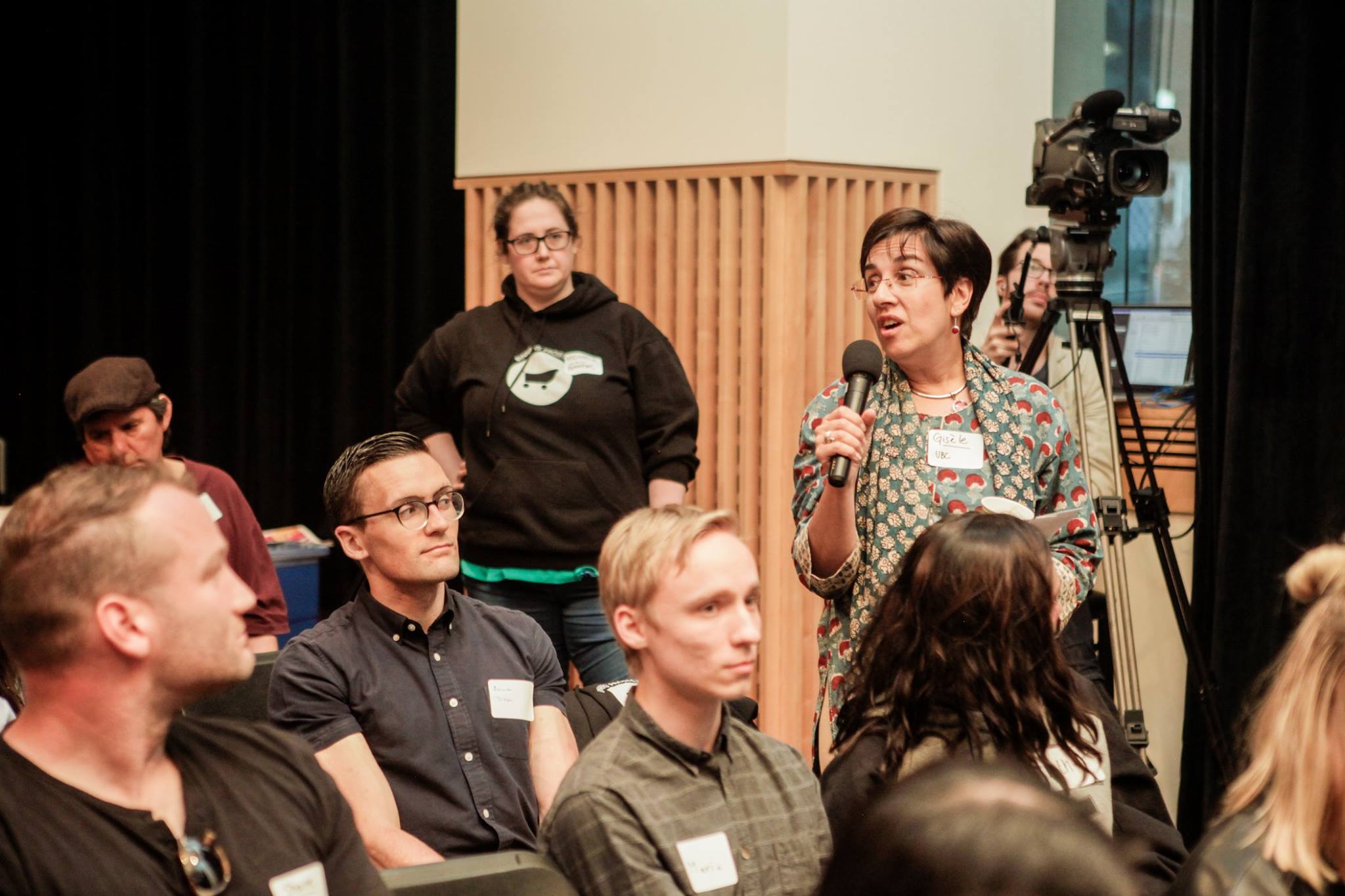
Upon returning to Vancouver a few years ago after many years with the public service in Ottawa, I was delighted to learn that the binners movement has not only survived but is now thriving, thanks, in part, to progressive policies supporting small-scale livelihoods in the City of Vancouver. I finally visited the new, relocated United We Can depot last year and also learned that Ken Lyotier – whose work has been recognized through many awards, including an honorary doctorate – started a complementary group called the Binners’ Project, now led by a dynamic young lawyer from France named Anna Godefroy. I had the pleasure of attending their first public meeting in April of this year. One of Binners’ Project’s causes celèbres, is to get mandatory deposits put on disposable coffee cups. Though recyclable, many of these cups go into the landfill unnecessarily. Not only would a deposit incentivize recycling generally, it would provide an income to binners – the unsung heroes of urban solid waste management.

I’ll be attending the upcoming Coffee Cup Revolution gathering at Victory Square, 200 West Hastings Street, on Monday, October 16th from 11am to 1pm. I hope to see many of you there! And, like the song written by Elton John and Bernie Taupin goes:

Until you’ve seen, this trash can dream come true

You stand at the edge, while people run you through

And I thank the Lord, there’s people out there like you

Thank you / Merci Ken, Anna and all the binners for your courage and commitment!

Categories
Social Protection Uncategorized

Q and A regarding Social Protection on the WIEGO Blog in English and Spanish

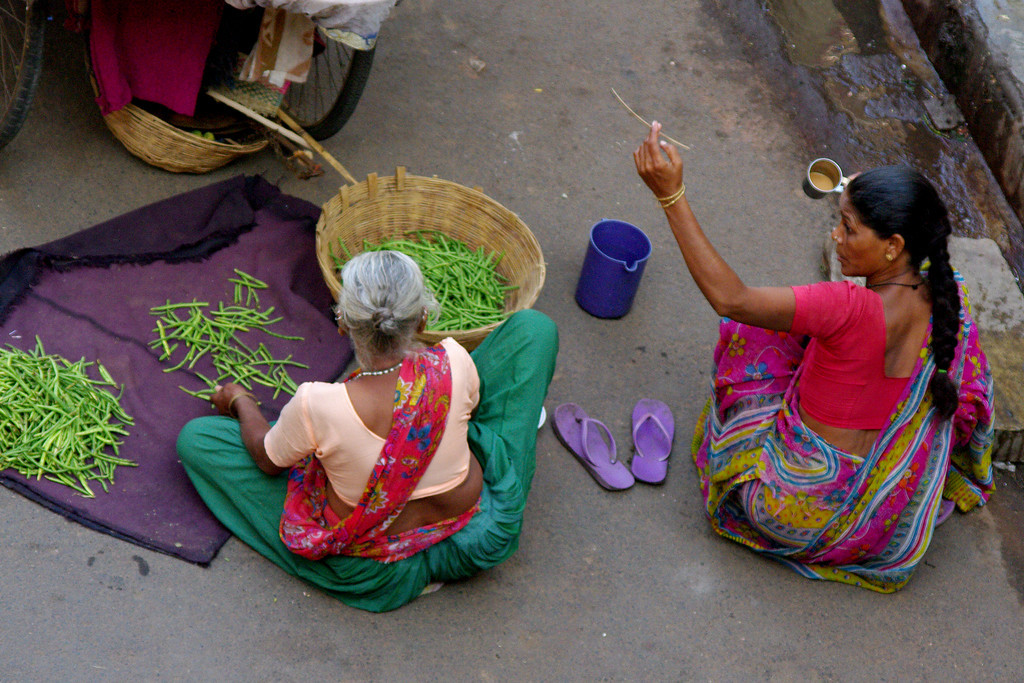
Thanks to Carlin Carr of WIEGO for offering to interview me for the WIEGO Blog. The following Q and A was published in September. The English version is available here with Spanish available here. Photo courtesy of WIEGO.

Categories
Asia Social Protection

Challenges and opportunities for social protection of informal workers

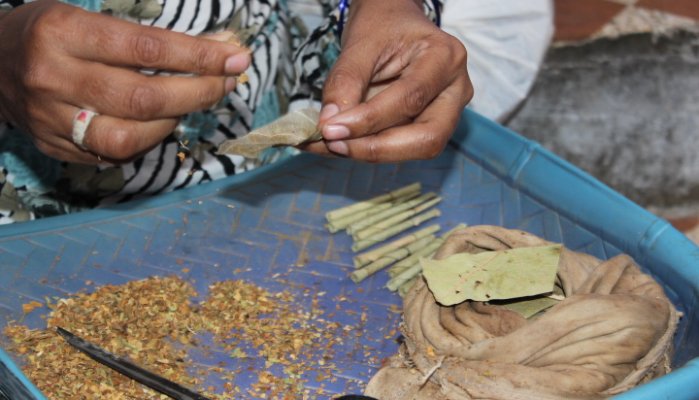
This invited blog entry was posted by the Asian Development Bank (ADB) on Monday, August 22nd as a result of my  participation as a WIEGO resource person for Asia-Pacific Social Protection Week earlier the same month. The full text is available here. Salamat Po for the warm welcome back to Manila after many years away! (Photo above of beedie rolling courtesy of Marlese von Broembsen)

Categories
Asia Social Protection

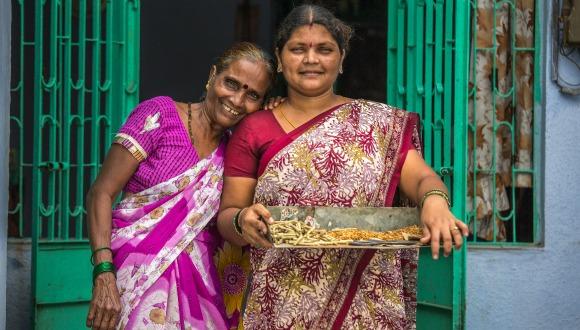
Informal Women Workers Globally: Breaking Through the ‘Concrete Canopy’

Thanks to Professor Malinda Smith of the University of Alberta for inviting me to contribute to the AlbertaPoliBlog. I’m happy the entry came out last week inspired by my recent trip to India for WIEGO. And thanks to the Honourable Jocelynne Annette Scutt for her “concrete canopy” metaphor, which I have referenced. The full text is available herePhoto courtesy of Marlese von Broembsen.